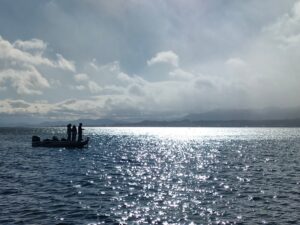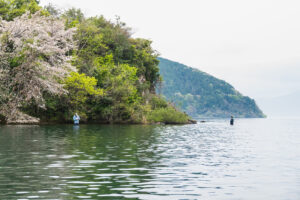
Lake Biwa is famous for trophy bass—and also for wind that can turn a calm morning into rough water fast.
For tourists, wind is the #1 factor that affects comfort, safety, and how much water we can cover.
The good news: wind doesn’t always ruin the trip. It just changes the plan—where we fish, how we run the boat, and what techniques are realistic.
This guide explains why Lake Biwa gets rough, how we make “go / no-go” decisions, and what alternatives exist if conditions spike.
If you’re planning from Kyoto or Osaka, you’ll also learn how to build a schedule buffer so weather changes don’t stress your entire travel day.
If you’re traveling from Kyoto or Osaka, understanding wind helps you:
- avoid unrealistic expectations (“we’ll run everywhere all day”)
- reduce anxiety about sudden weather changes
- plan a schedule buffer so the trip stays enjoyable
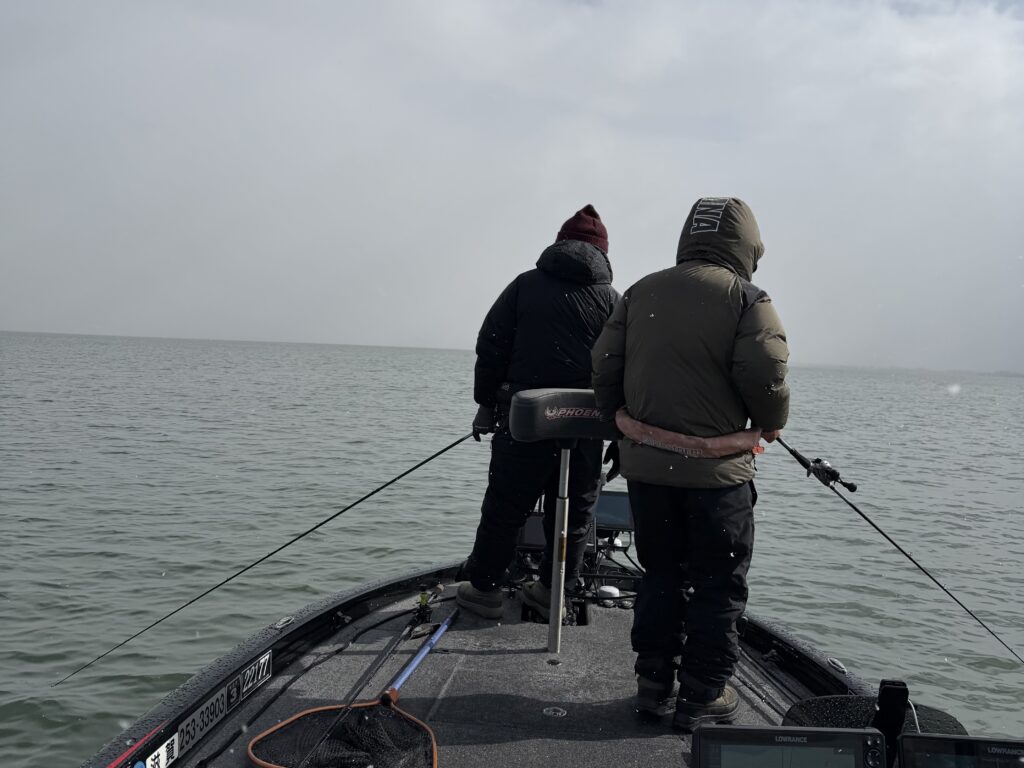
1, Why Lake Biwa Can Get Rough Quickly
Several factors make Biwa feel “bigger” than it looks on a map:
- Open water fetch: wind has room to build waves
- Wind direction changes: conditions can shift in a short time
- Seasonal patterns: winter and transition seasons can be especially sharp
- Afternoon build: on many days wind increases later
The lake can change while you’re already on it. A safe plan assumes that, and stays flexible.
It tends to get rough especially in winter and late autumn.
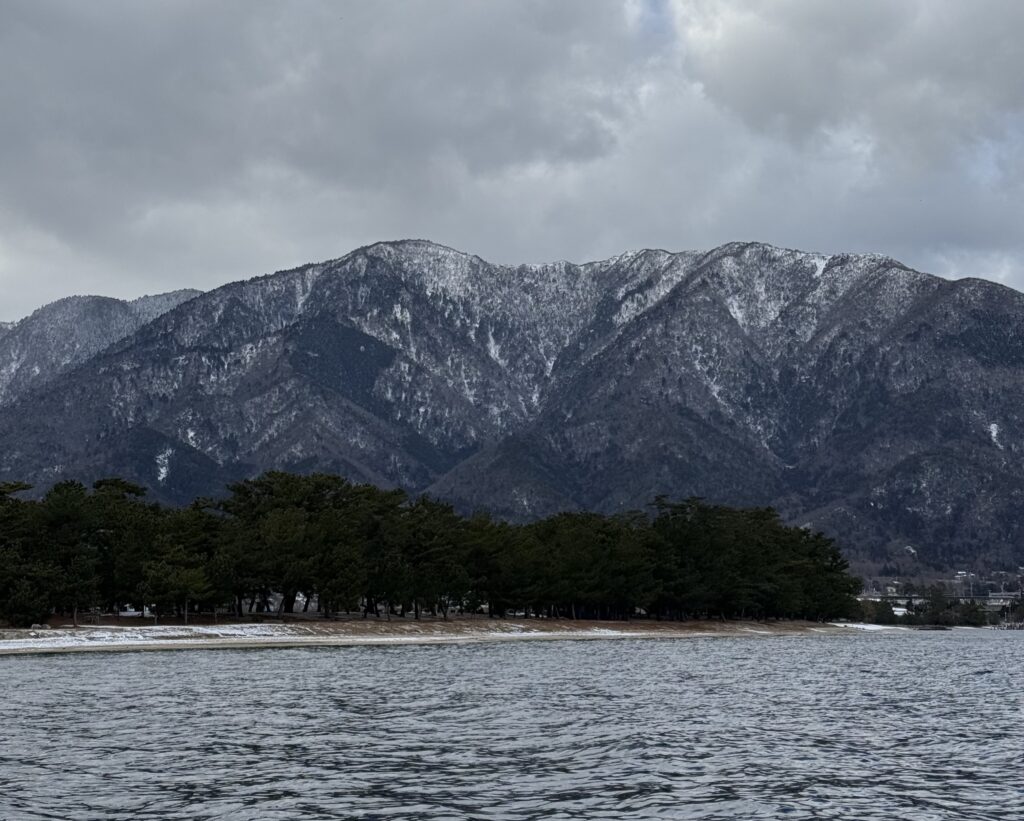
2, Windy vs Unsafe: A Traveler-Friendly Rule of Thumb
Every guide uses their own experience and safety threshold, but here’s a practical way to think about it:
“Windy but fishable”
- manageable waves in protective water
- boat driving kept short and controlled
- the plan emphasizes safety and comfort over long runs
- the guide can maintain stable boat positioning for casting
“Unsafe”
- waves that make boat control and driving risky
- conditions that worsen quickly (especially combined with rain or cold)
- exposed areas where protective is limited
- high risk of fatigue, motion sickness, or injury
Important: the correct decision is not “tough it out.” In Japan, professional guiding should be safety-first. If conditions are unsafe, the best guides will adjust, shorten, or reschedule.
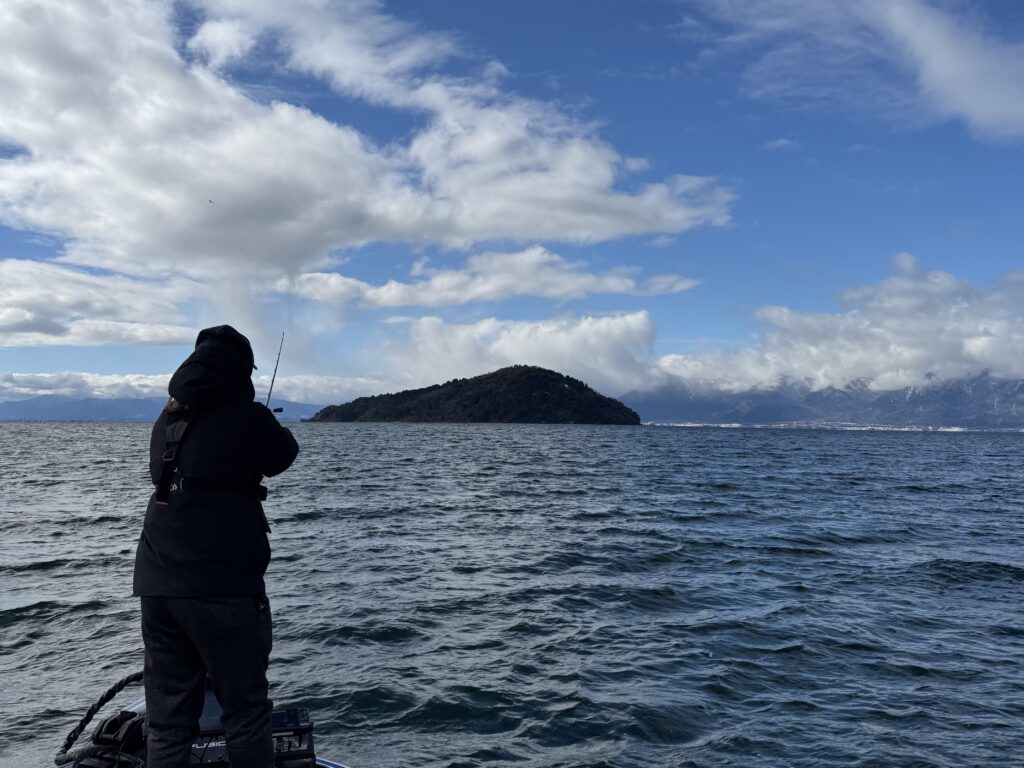
3, How Guides Adapt the Plan on Windy Days
On windier days, the plan becomes more tactical. Typical adjustments include:
- Protect area-first route selection
Fishing wind-protected shorelines, cove, canals, and structures that reduce wave impact. - Shorter travel, more efficient stops
Less “run-and-gun,” more targeted water where fish are likely to be. - Technique simplification
We recommend techniques that can be used correctly even in strong winds. - Timing changes
If wind tends to build later, a guide may recommend:
- earlier starts
- shorter trips
- focusing on the calmest time window
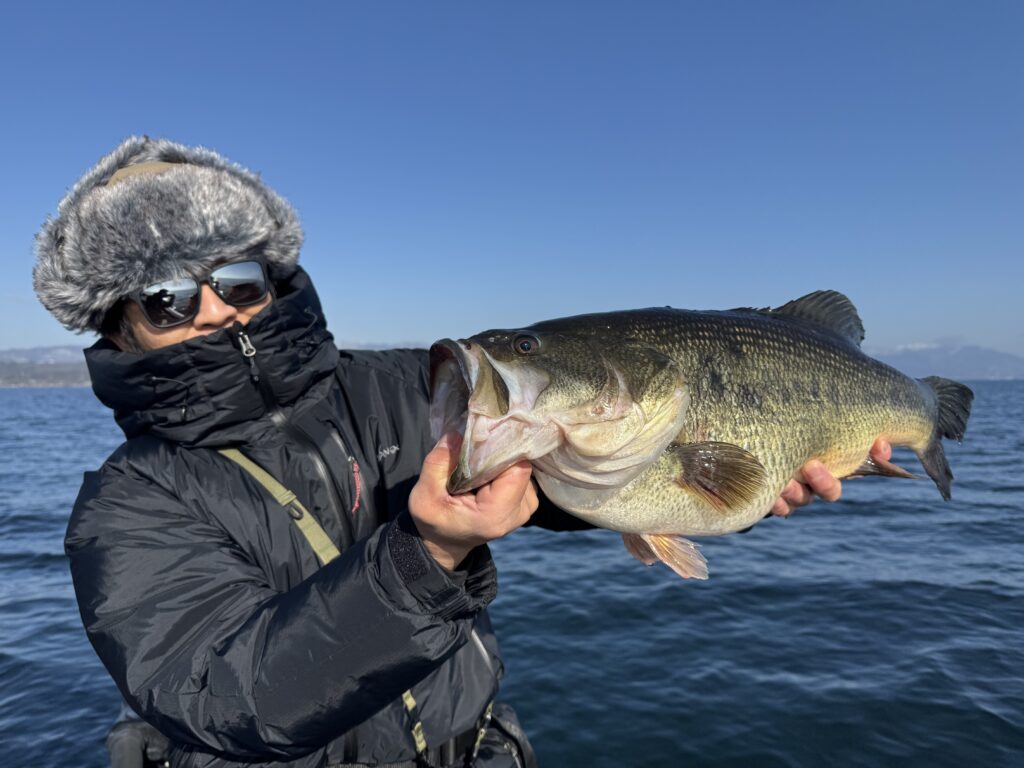
4, What You Can Do to Stay Comfortable (Even If It’s Windy)
Most discomfort is preventable with simple prep:
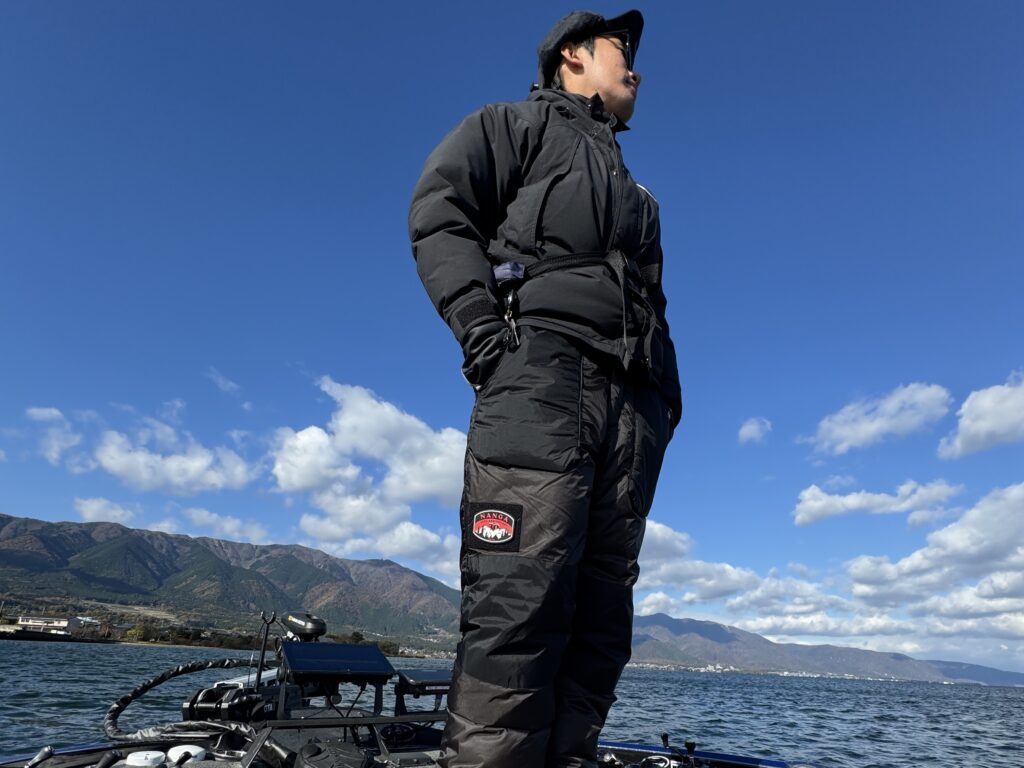
- Wear windproof outerwear (wind is often worse than “cold”)
- Bring motion sickness support if you’re sensitive
- Pack light but smart: extra layer + spare socks
- Hydrate and snack: fatigue makes motion sickness worse
- Tell your guide your priority: comfort-first vs trophy-first
5, Kyoto/Osaka Day-Trip Planning: Build Wind Buffers Into Your Schedule
If your day is tightly scheduled—temples, dinner reservations, trains—wind can make you feel rushed. Build the plan around flexibility:
- choose a time block that avoids the windiest hours when possible
- avoid stacking “must-do” activities immediately after fishing
- allow extra travel time for pickup/return
- confirm what happens if conditions change: [CANCELLATION / RESCHEDULE POLICY]
6, What You Get With a JBFA Trip (Wind-Day Friendly Summary)
- safety-first decision-making
- English communication and simple explanations
- route selection based on real-time conditions
- quick photo workflow when conditions allow
7, FAQ
Q1. Do you cancel on windy days?
Only when it’s unsafe. Otherwise we adjust areas and timing to stay comfortable.
Q2. Will we still catch fish in wind?
Often yes—wind can help if it’s manageable and we fish the right water.
Q3. Is it safe for beginners?
Yes, with a conservative plan. Beginners usually do best with comfort-first pacing.
Q4. Should I book half-day or full-day if it might be windy?
If you want the lowest stress, half-day in the calmest time window is great. If you want flexibility to adapt, full-day helps.
Q5. What should I wear?
Windproof outer layer + adjustable layers. Wind chill matters more than the forecast number.
Q6. I get motion sickness—should I avoid Lake Biwa?
Not necessarily. Tell us early and we’ll design a calmer route and pacing.
You Tube Channel
※Please click this image and enter our YouTube channel