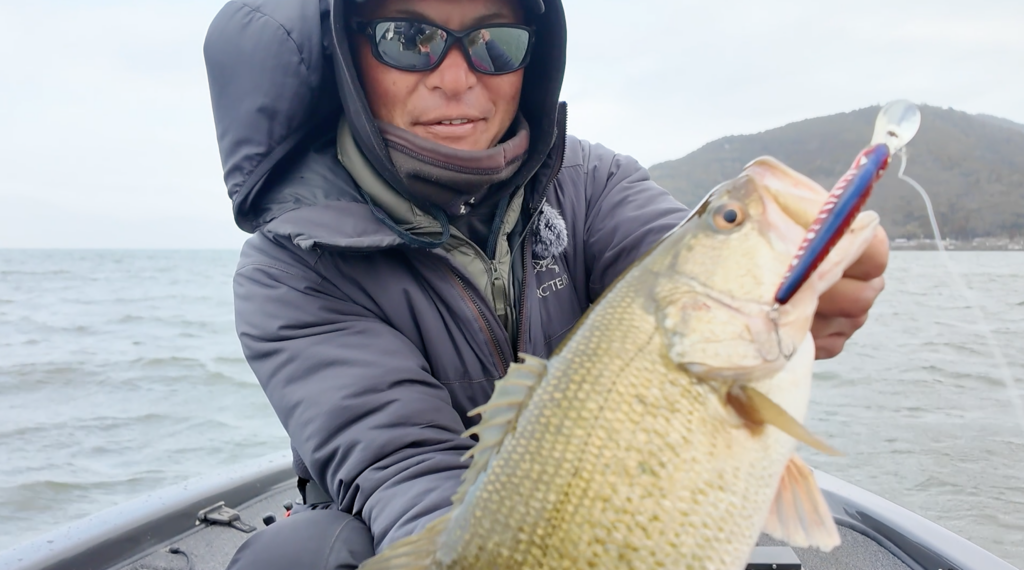
Early spring on Lake Biwa is a season where small changes—weather, wind, and spawning movement—can influence how bass respond. When a cold front hits or fish become hesitant, the Imawaka-style approach helps you stay effective: high-speed cranking with controlled bottom contact to generate erratic action and trigger reaction strikes from otherwise non-committal fish.
In this guide, you’ll learn:
- why faster retrieves can outperform slow presentations at around 48°F (9°C)
- how “erratic action” is created (and why it triggers instinctive strikes)
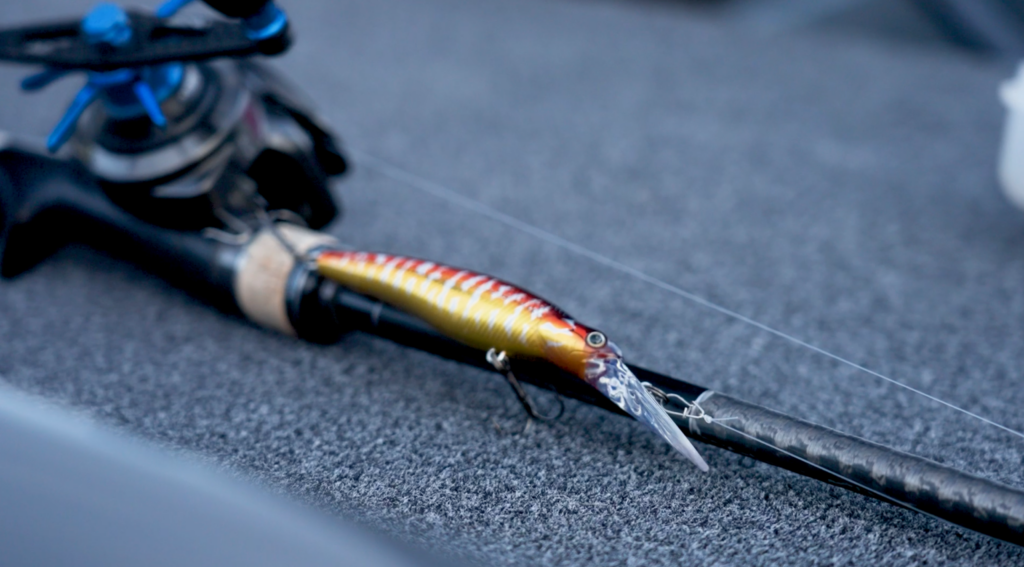
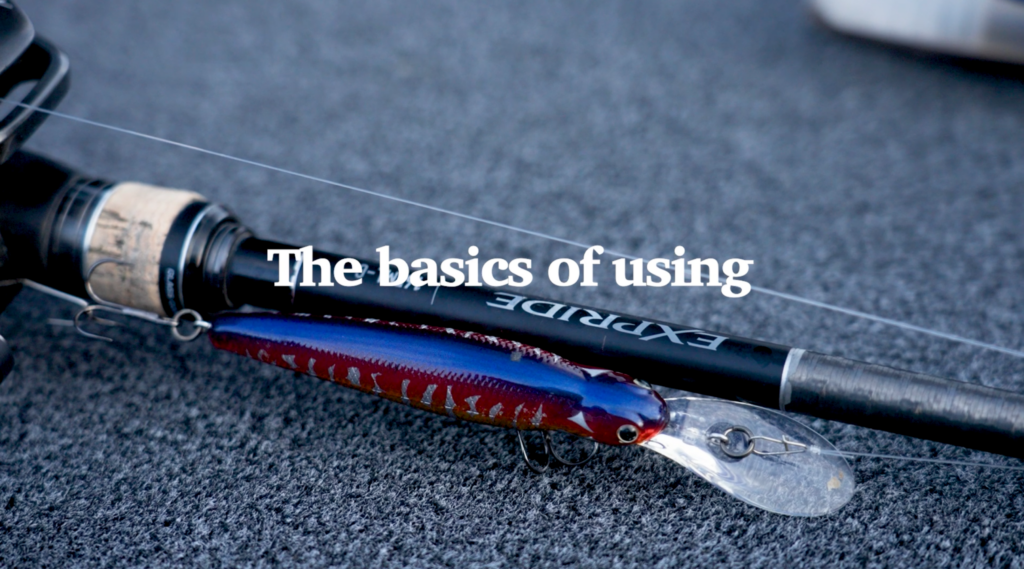
- the JDM tackle setup that makes the system work (including the 6’5″ full glass rod and 6.3:1 gear ratio)
- pro-tuning tips: hook upgrades and true-tuning for consistent performance
Why High-Speed Cranking Can Beat Slow Presentations in around 48°F (9°C) Water
At around 48°F (9°C), many anglers automatically slow down—dragging, dead-sticking, or crawling baits. That can work, but it’s not the only answer. On Lake Biwa, there are days when speed plus deflection will get more quality bites than “slow and subtle,” because it shifts the strike from a feeding decision to an instinctive reaction.
When bass are cold, pressured, or influenced by spawning behavior, they often won’t commit to a bait that looks easy but “requires thought.” A faster-moving crankbait that contacts bottom and breaks rhythm can create a sudden threat/opportunity moment—something the fish reacts to before it fully evaluates the bait.
What Changes at ~48°F (9°C) on Lake Biwa
- Bass may hold closer to bottom, cover, or subtle structure
- Follow behavior can increase, but commitment can drop
- Short strike windows happen—often tied to wind, light, and micro-warming
When Faster Works Best
High-speed cranking tends to shine when:
- a cold front makes bass reluctant to bite
- bass are in a spawning-influenced mood and won’t “eat cleanly”
- fish are shallow enough to interact with bottom contact and deflection
- you need to force a bite through reaction, not persuasion
The Risk (And How to Avoid It)
Going fast isn’t “mindless burning.” The key is control: you want speed, but you also need to keep the bait in the strike zone and maintain bottom contact without losing tracking. That’s why tackle choices (glass rod, gear ratio, tuning) are non-negotiable parts of the system.
The “Erratic Action” Theory: How to Trigger Instinctive Strikes from Shallow Bass
The core of the Imawaka style is simple: when bass won’t bite easily, you create irregular movement on purpose. The best way to do that in early spring is to make bottom contact—ticking, deflecting, and recovering the bait so it moves unpredictably. That single moment of “wrongness” in the bait’s path is often what triggers the strike.
Think of it like this: a perfectly straight, predictable retrieve gives fish time to follow and decide. But when the bait hits bottom and kicks out, it creates an “escape / vulnerability” cue—something bass are wired to attack.
Bottom Contact = Unpredictability
- Contact changes the lure’s path and speed for a split second
- Deflection creates the illusion of prey making a mistake
- Recovery (getting the bait back on track) sets up the strike window
The Contact → Deflect → Recover Sequence (Step-by-Step)
- Cast to keep the bait tracking over hard bottom, rock, patchy grass, or shallow lanes.
- Retrieve fast enough to maintain pressure, but not so fast that the bait rides too high.
- Let the bait make bottom contact periodically (intentional contact).
- When it hits bottom, pause for a moment to stop the lure’s movement, then resume the retrieve—this “stop-and-go” change is what creates the erratic, unpredictable action.
- Be ready: strikes often happen right after the pause or as the bait starts moving again.
Tip
If the bait is constantly digging and killing the action, you’re too deep or too slow. If it never touches bottom, you’re too shallow or too fast. The “magic” is the controlled middle.
The Ultimate JDM Tackle Setup: Why a 6’5″ Full Glass Rod Matters
Most anglers try to fish this style with a standard graphite rod and end up losing fish, blowing hooksets, or constantly snagging. A 6’5″ full glass rod changes the entire system. It loads deeper, keeps fish pinned, and makes erratic cranking more forgiving—especially with treble-hook baits at high speed.
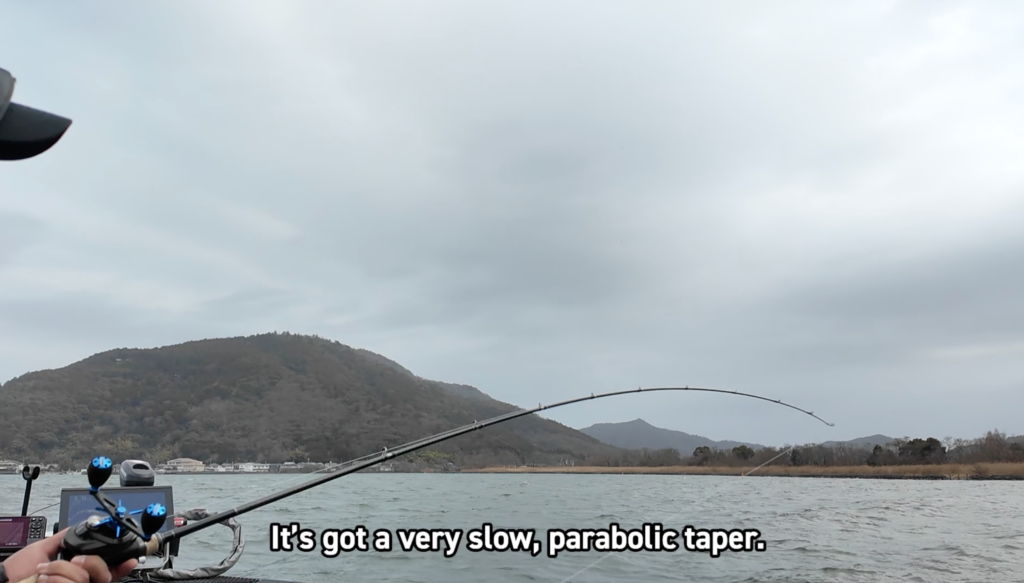
Why Full Glass Helps (Load, Deflection, Hook Retention)
- Deep load absorbs surges and prevents pulling trebles free
- Deflection control: glass keeps pressure consistent when the bait hits bottom
- Hook retention improves, which matters when bites are reaction-based and violent
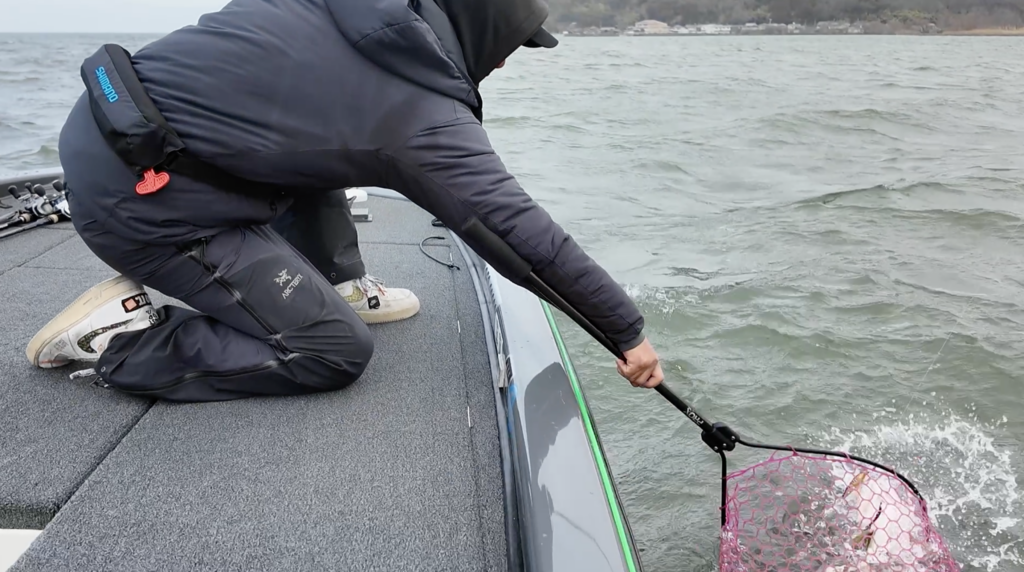
The Magic Ratio: Why 6.3:1 Gear Speed is the Key to Early Spring Success
Gear ratio is not just “fast vs slow.” The reason 6.3:1 often becomes a sweet spot is because it gives you speed and control. You can maintain a higher retrieve pace for reaction bites, but you still have enough torque to keep the crankbait grinding bottom without the retrieve feeling out of control.
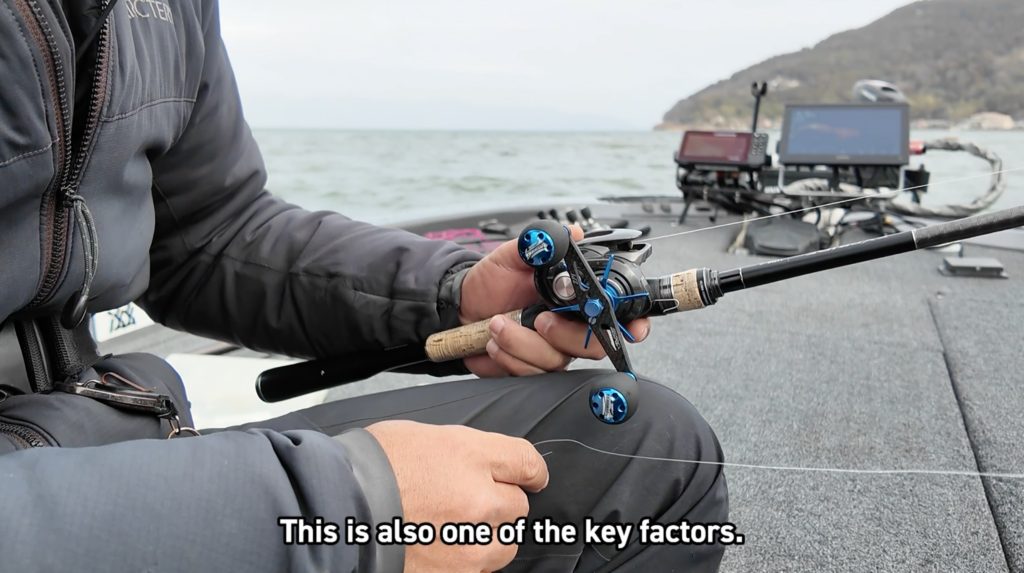
Pro-Tuning Secrets: Hook Upgrades and “True-Tuning” for Maximum Erratic Action
At high speed, small flaws get magnified. A crankbait that tracks slightly off, hooks that kill action, or hardware that isn’t balanced will ruin the system. Pro tuning is about keeping the bait stable enough to work, while still allowing it to “hunt” and kick out when it contacts bottom.
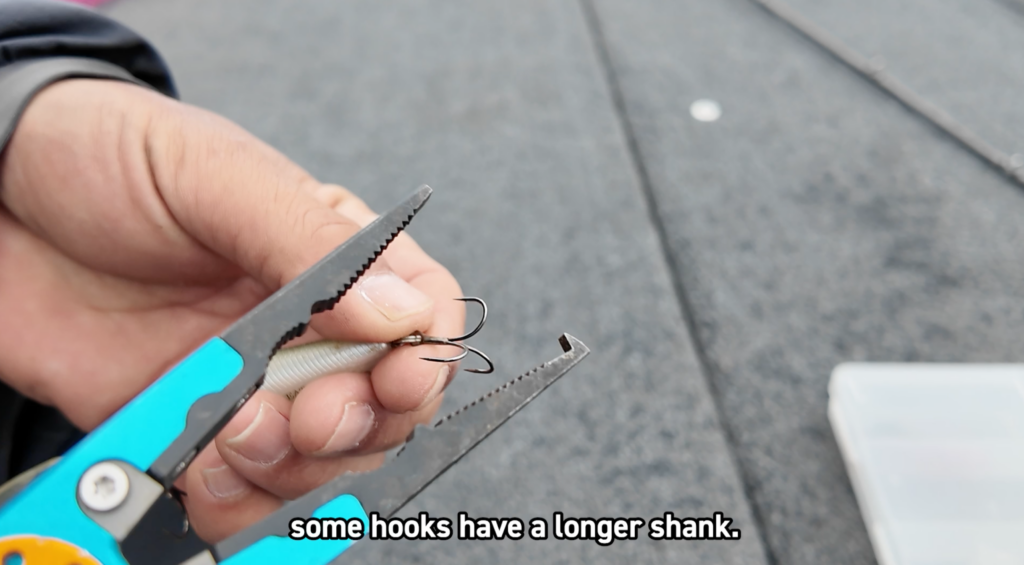
Hook Upgrades (What to Change and Why)
- choose hooks that match bait size and balance (too heavy can kill action)
- prioritize sharpness and strength for reaction bites
- ensure hook sizes don’t tangle and reduce erratic movement
True-Tuning (Tracking Straight, Then Letting It Hunt)
True-tuning means the bait runs straight on a steady retrieve. From that baseline, bottom contact creates the controlled chaos (erratic movement) that triggers bites. If the bait already tracks wildly before contact, you lose consistency—and you’ll snag more often.
After any collision or fish, test the bait. If it pulls to one side, adjust the line tie slightly until it runs straight again.
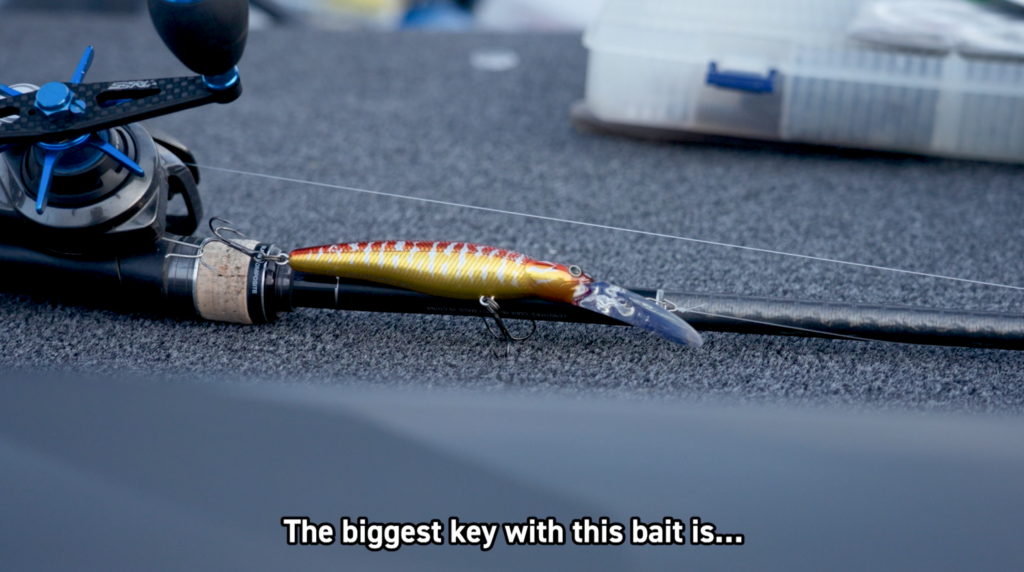
Mastering the Imawaka Style on Lake Biwa
Where to Apply It
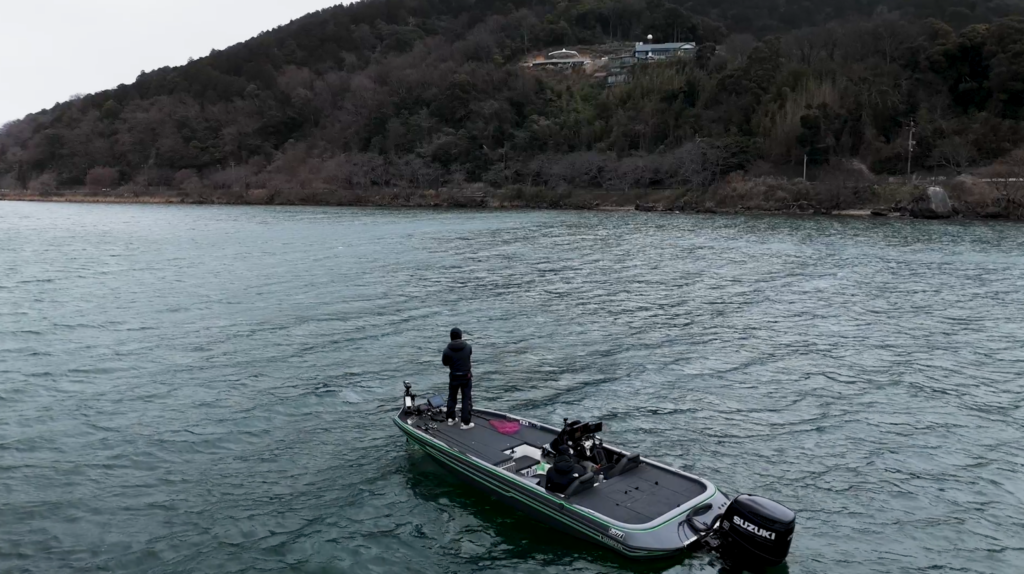
This style is most effective in early spring zones where bass can react shallow and where your bait can make controlled bottom contact, such as:
- [shallow hard-bottom flats]
- [flat areas with scattered cover]
- [edges where fish move up and down with conditions]
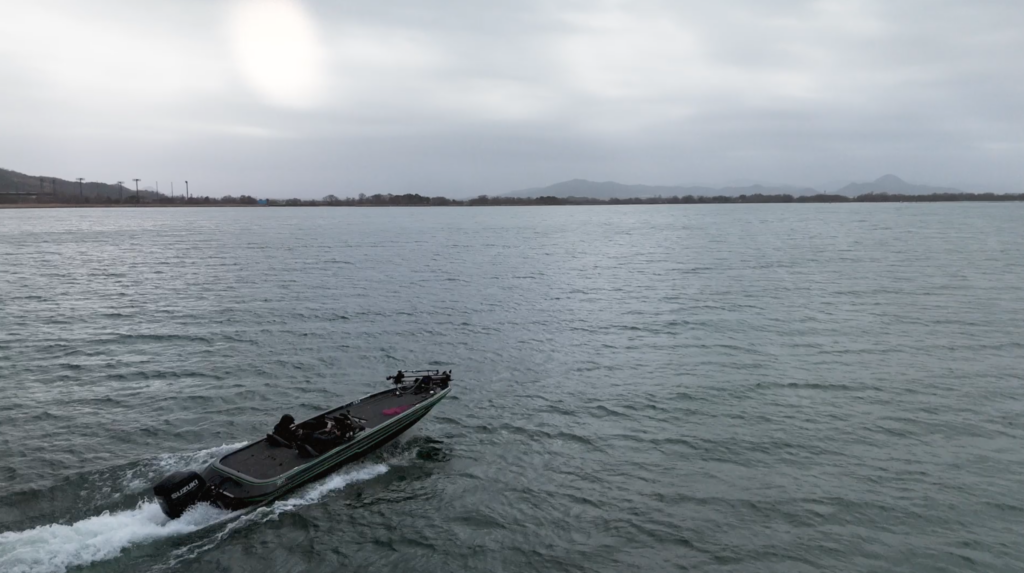
When to Choose This vs. Swim Jig / Glide Bait
Use this Imawaka-style high-speed cranking when:
- bass won’t bite “normally” due to cold fronts or spawning mood
- you need reaction bites from shallow fish
- you want to cover water efficiently while still targeting quality bites
Switch to a swim jig when fish bury into grass/cover. Switch to a glide bait when warm trends pull fish up and you’re hunting a true trophy bite.