BFS, the Bait Finesse System, was born in Japan, and over the last few years it has become one of the most searched topics in American bass fishing. Ultralight lures on a baitcaster, shallow spools, magnetic brakes. You have seen the videos.
Here is what most of that content misses: in Japan, BFS is not a religion. It is a tool with a specific job. I guide year-round on Lake Biwa, and there are days a BFS outfit stays on the deck all day next to a spinning rod. This article explains what BFS actually is, the exact setup I run on my boat, the technique it genuinely wins at, and, just as important, when a Japanese guide deliberately does not use it.
What BFS Actually Means
BFS is a baitcasting setup built to cast lures spinning gear normally owns, roughly 3 to 7 g (1/8 to 1/4 oz), on fluorocarbon straight to the lure. The reel is the heart of it: a shallow, ultra-light spool that spins up with almost no lure weight, paired with a soft-tipped rod around medium-light power. The point is not casting distance. The point is control: pitching accuracy, instant thumb control over slack, and the ability to fish light rigs on line heavy enough to pull fish out of cover.
My Actual BFS Setup on Lake Biwa
This is the outfit that lives on my deck, not a sponsored list:
- Rod: Daiwa Black Label +661MLFB (a 6’6″ medium-light baitcasting rod)
- Reel: Shimano Aldebaran BFS XG
- Line: 8 to 10 lb fluorocarbon (Kureha Fluoro Meister), tied direct, no leader system needed
Notice the line. Eight to ten pound fluoro is heavier than what an American finesse angler would run on spinning gear for the same lure weights, and that is exactly the advantage. Around Biwa’s rock piles, fish reefs, and weed edges, that extra line strength converts hooked fish into landed fish.
The Technique BFS Was Made For: The Micro Downshot
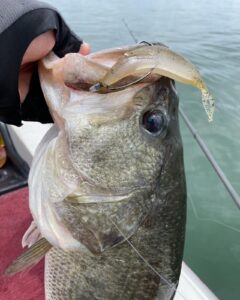
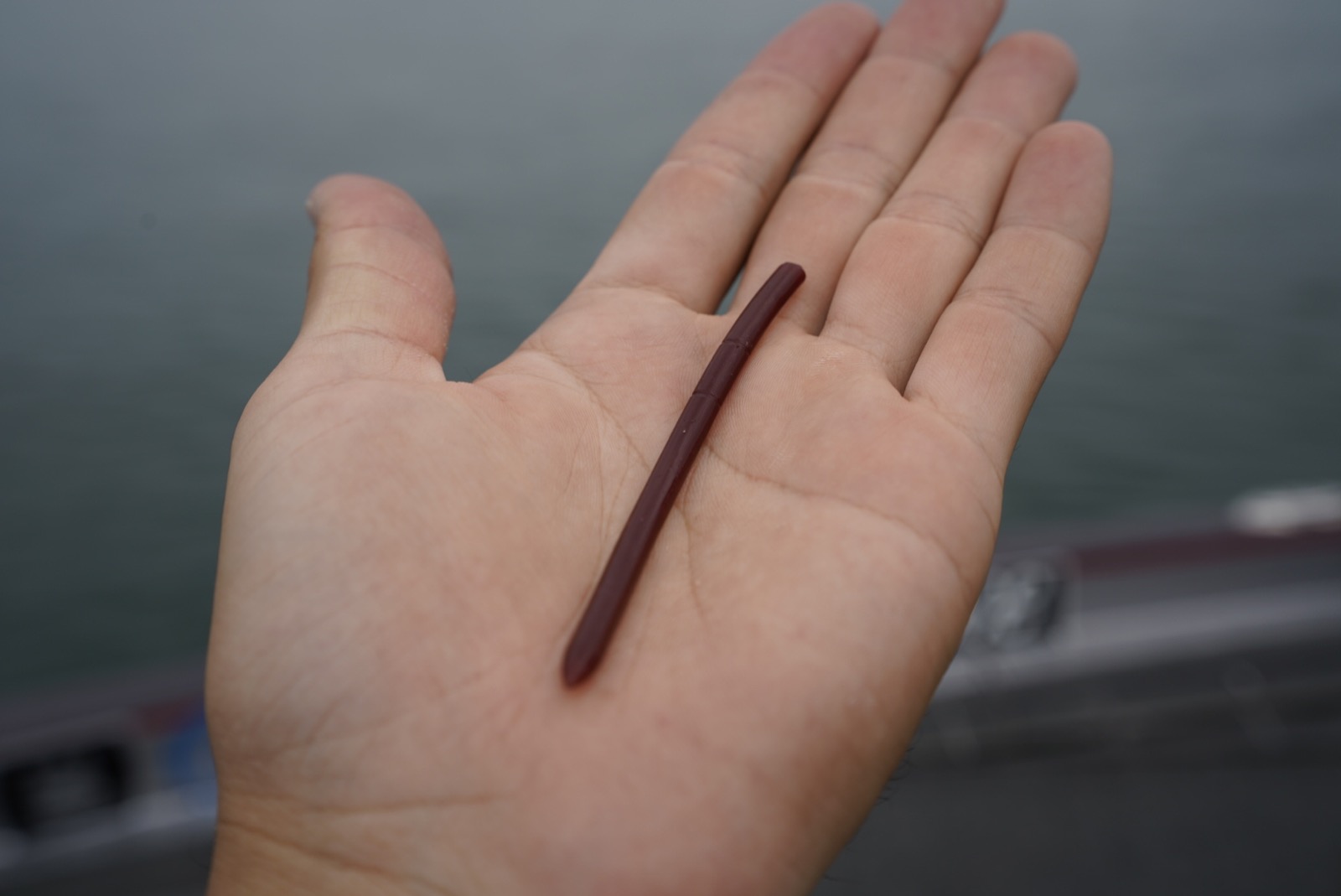
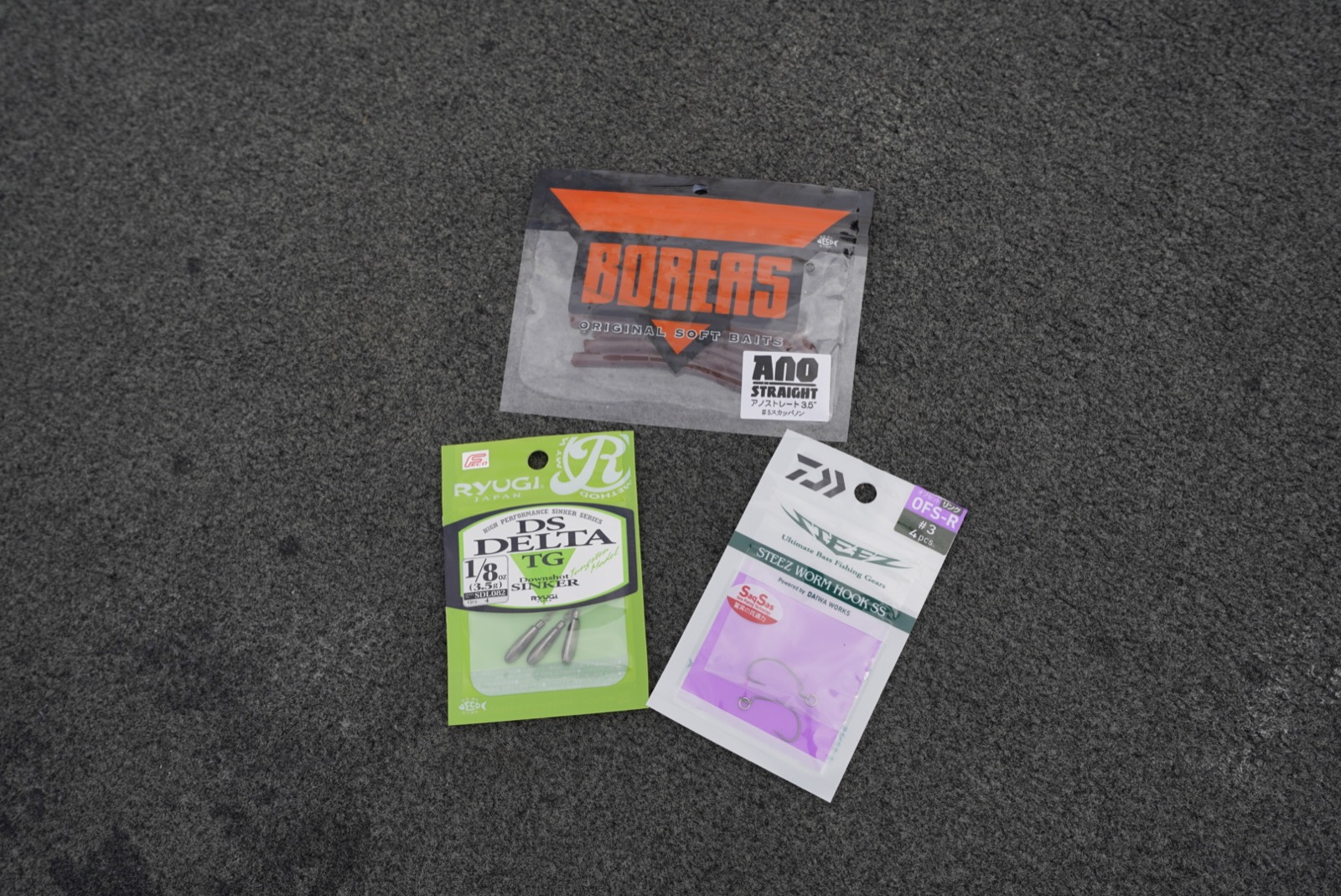
If I had to justify BFS with one technique, it is the small downshot, what American anglers call a drop shot, fished deep. My standard is a 3.5 inch flat-bodied straight worm (the Boreas Ano Straight 3.5″) on this rig:
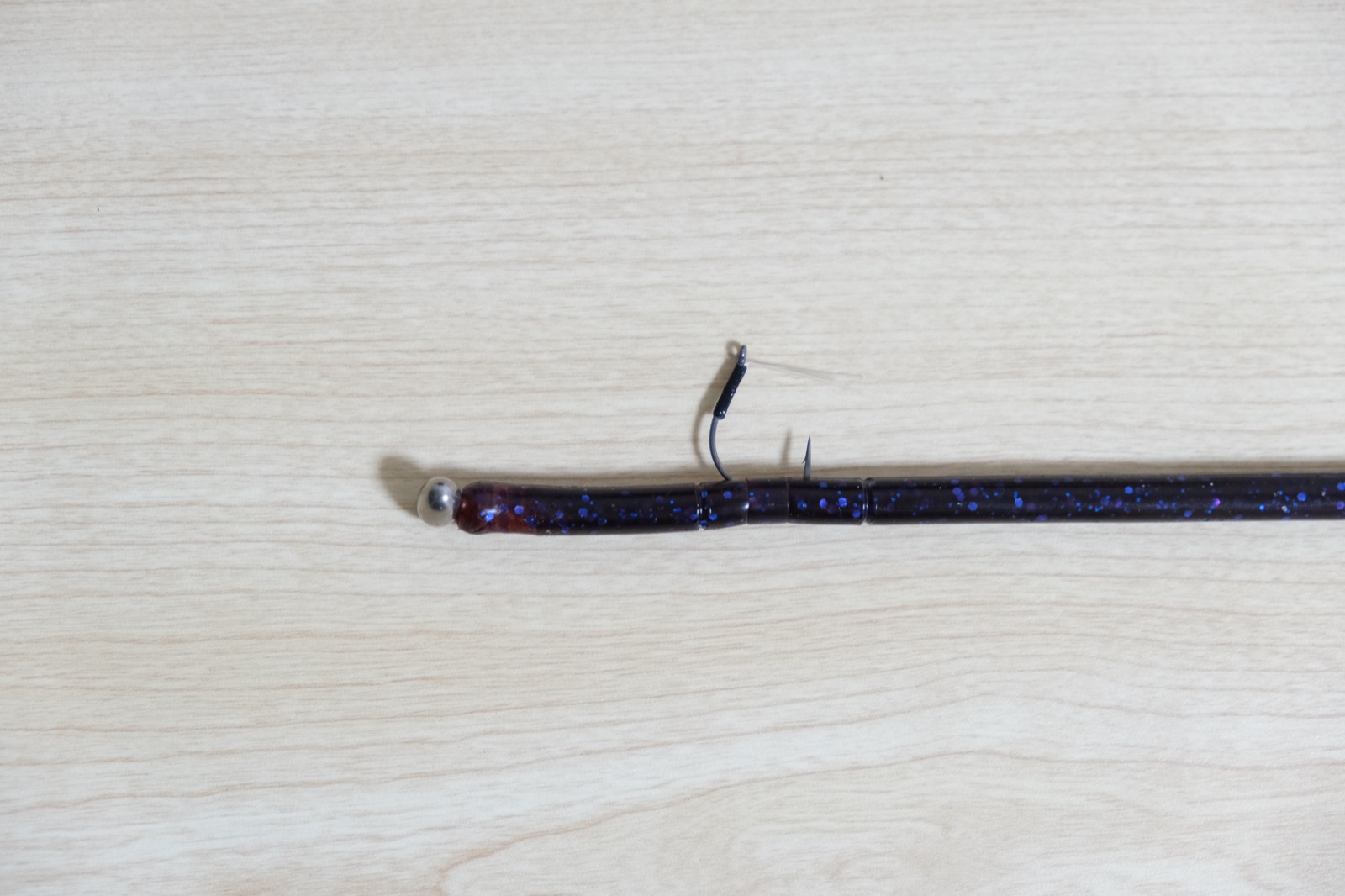
- Hook: an offset hook, #3 (Daiwa Steez Hook ring type). Offset, because it keeps the worm’s posture stable in deep water, and stable posture turns bites into hookups
- Sinker: tungsten drop shot sinker, 2.6 to 7 g (3/32 to 1/4 oz) (Ryugi DS Delta TG), sized to depth and current
Why a baitcaster for this and not spinning? Slack control. Fishing a downshot in 5 to 10 meters of water is a game of managing exactly how much line hangs between your rod tip and the sinker. With BFS, my thumb feeds or holds line in increments spinning gear cannot match. When I want the rig to drop ten more centimeters, it drops ten centimeters. On pressured deep spots around the north lake’s islands, where boats line up on the same structure, that precision is often the difference.
When a Japanese Guide Does NOT Use BFS
This is the part the BFS boom skips over, and it will save you money: for a lot of Japanese finesse fishing, the correct tool is still a spinning rod.
Heavy Neko Rigs: Spinning
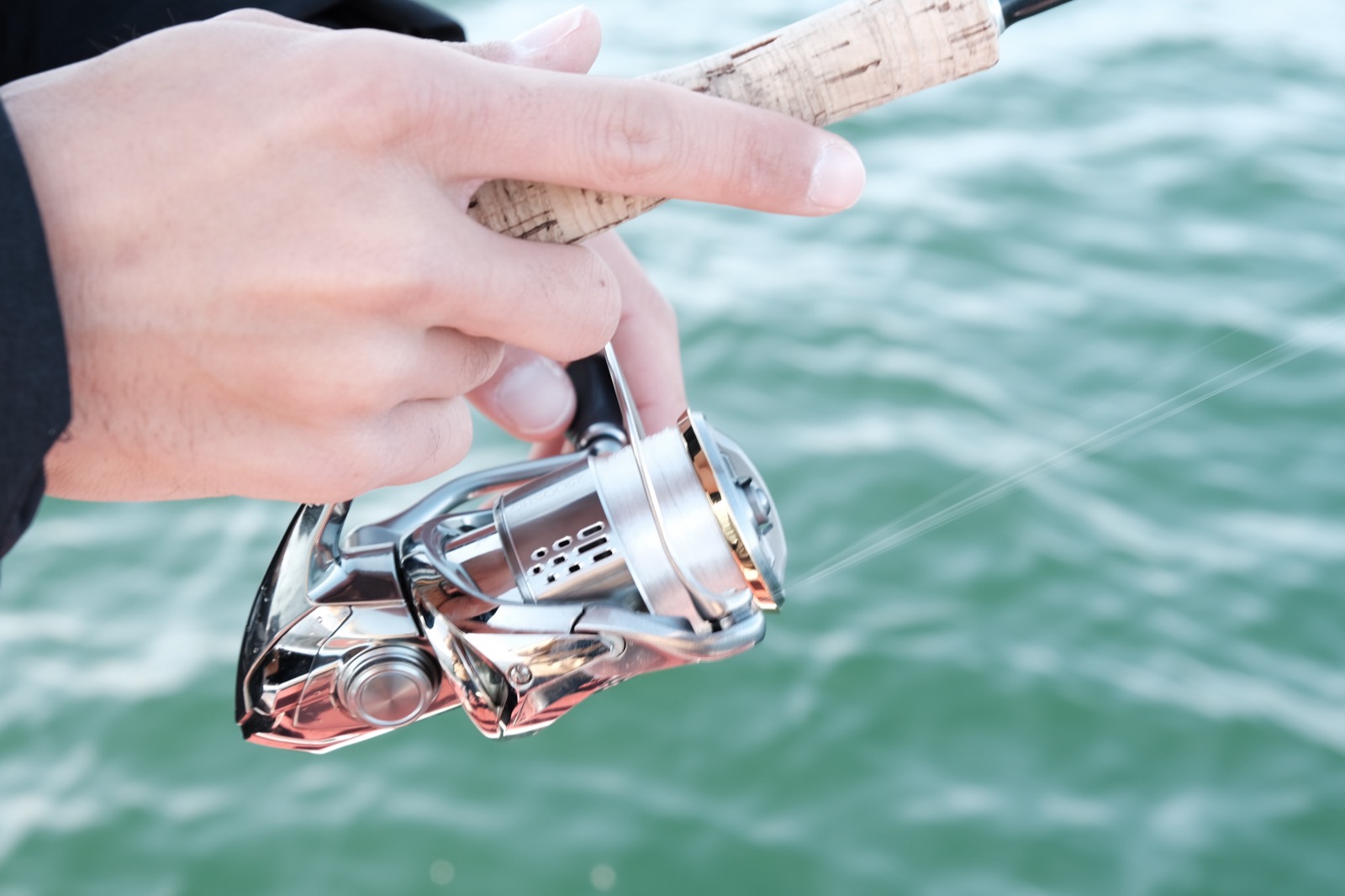
The number one technique on my boat year-round is a neko rig with a 3.5 to 7 g nail sinker, the style Japanese anglers call the heavy neko. That technique is built on shaking the rod tip vertically without ever stopping while you wind, and a spinning rod with a soft, precise tip (medium-light power) simply does that motion better, hour after hour. I fish it on a 6’3″ spinning rod, and I recommend guests do the same.
Mid-Strolling: Spinning with Floating PE
The other pillar of Japanese finesse, jighead mid-strolling, runs on floating PE line and a whippy dedicated spinning rod. That is a whole system of its own, and I wrote the full spec breakdown in our Sakamata Shad guide.
So the honest Japanese answer to “should I go BFS?” is: BFS earns its place when line control and accuracy near cover decide the day. Spinning keeps its place when continuous tip action or ultra-light line decides it. Guides here carry both, every single day.
Building Your First BFS Outfit
If you are starting from zero, you do not need the exact Japanese domestic models. What matters is the recipe: a genuine BFS shallow-spool reel (the Aldebaran BFS I use, or the more affordable Shimano SLX BFS and Daiwa Alphas air-type reels), a medium-light baitcasting rod with a real tip, and 8 lb fluorocarbon. Resist the urge to overline it or underline it. The 8 to 10 lb window is where the system balances.
One buying tip from the JDM side: reel model years matter less than the spool. Any of the recent BFS-dedicated spools will cast 3 g comfortably. Spend the leftover budget on tungsten sinkers and good offset hooks instead.
Learn BFS Where It Was Invented
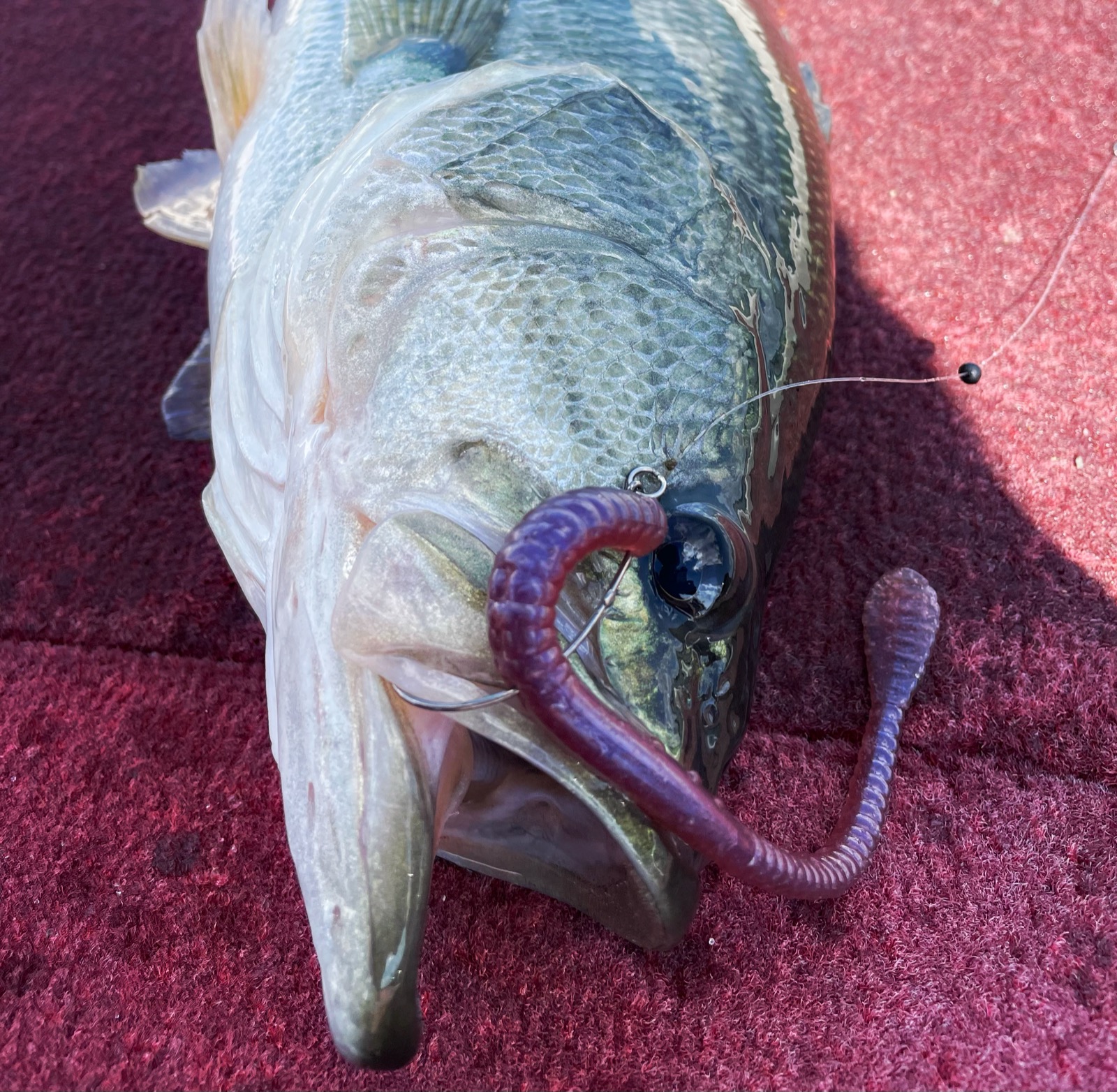
Reading about slack control is one thing. Feeling a guide adjust it next to you, on the water that created this system, is another. On my Lake Biwa guide boat the BFS outfit above is rigged and waiting, all tackle included, English support, and if the day calls for it we will put it down and pick up the spinning rod, because that is how BFS is actually fished in Japan.
Planning a trip? See our Sakamata Shad complete guide and the best glide baits in Japan for more of what we fish here.