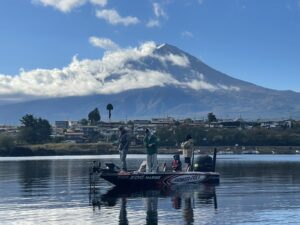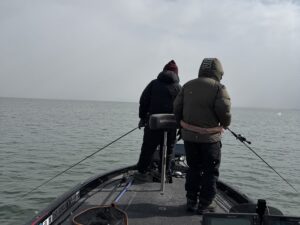
Lake Biwa is Japan’s largest lake, and for anglers chasing largemouth bass outside North America, it may be the single most important body of water in the world. This is where Japan’s modern bass fishing culture was born, where a world-record largemouth was landed in 2009, and where a domestic tackle industry now shipping gear to anglers on five continents first cut its teeth. If you’re planning your first bass fishing trip to Japan, Lake Biwa is where that trip should start.
This guide is meant as a starting point: a map of everything you need to understand about the lake before you dig into any one topic in detail, whether that’s spring patterns, getting here from Kansai Airport, or booking a guide.
Lake Biwa at a Glance
- Size
- Roughly 670km², by far the largest freshwater lake in Japan
- Location
- Shiga Prefecture, about 30 minutes from Kyoto and under an hour from Osaka or Kansai International Airport
- Main target species
- Largemouth bass, with smallmouth bass in some areas, plus native Biwa trout and the giant Lake Biwa catfish (biwako onamazu)
- Best known for
- The 2009 world-record-tying largemouth catch and Japan’s most influential bass fishing techniques
- Typical trip
- Unlike old-style Japanese guide services (meet at the dock, no transport included), JBFA offers a fully private charter with hotel or station pickup and drop-off, with all tackle included
Why Lake Biwa Matters to Bass Anglers Everywhere
Largemouth bass aren’t native to Japan. They were first introduced from North America in the 1920s and gradually spread to reservoirs and lakes across the country over the following decades — you can read the full story in how largemouth bass came to Japan. But nowhere did the species take hold quite like it did in Lake Biwa. The lake’s enormous size, varied depth, and rich forage base produced growth rates that quickly caught the attention of serious anglers.
That reputation became global fact in 2009, when Japanese angler Manabu Kurita landed a 10.12kg (22lb 4oz) largemouth bass on Lake Biwa that tied the IGFA all-tackle world record. We cover that catch in detail in the story of Manabu Kurita’s world record, but the short version is this: one fish put Lake Biwa on the map for anglers who had never set foot in Japan, and it has stayed there ever since.
“One fish put Lake Biwa on the map for anglers who had never set foot in Japan — and it has stayed there ever since.”
The lake’s proximity to Osaka is also no coincidence. Many of Japan’s best-known tackle brands were built in the Kansai region, using Lake Biwa as their proving ground. Finesse presentations, precise structure reading, and slow-fall bait designs that are now standard practice on bass lakes worldwide were refined here first, on this water, by anglers trying to out-think heavily pressured, well-fed bass.
It’s also worth knowing that bass are officially classified as an invasive species in Japan, and Lake Biwa in particular has been the subject of ongoing debate between conservation authorities and the sport fishing community over population control measures. In practice, this hasn’t diminished the fishery — if anything, decades of pressure have produced some of the most technically demanding, well-educated bass anywhere, which is exactly why anglers travel here specifically to test themselves against them.
North Lake vs. South Lake: Two Very Different Fisheries
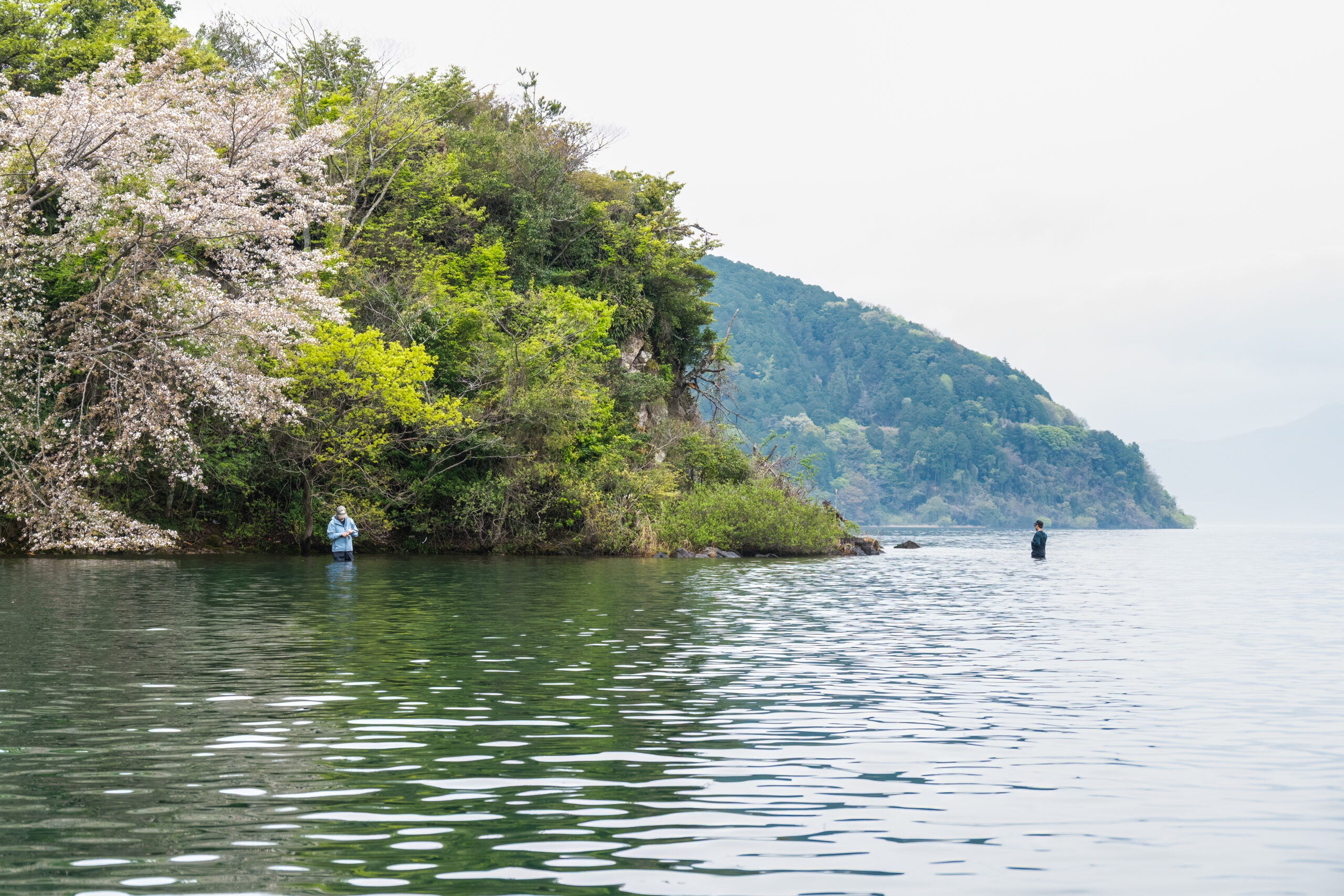
Locals split Lake Biwa into two halves at the Biwako Ohashi Bridge: North Lake (“Hokko”) and South Lake (“Nanko”). The split isn’t just geographic — the two halves fish completely differently, and understanding which is which will shape everything from your tackle choices to your expectations for the day.
North Lake is deep, open, and dramatic. Steep mountains drop straight into the water, and the fishing revolves around offshore structure: submerged points, ledges, and creek channels well away from the bank. Covering water and reading depth with electronics matters more here than sight-fishing shallow cover.
South Lake is shallower, warmer, and far weedier, sitting closer to Otsu and Kyoto. Dense reed lines, canals, and man-made structure like docks and bridge pilings dominate the shoreline, and this is where Japan’s finesse bass fishing techniques were largely developed. A good guide will choose which half to fish based on season, water temperature, and recent reports rather than committing to one side for an entire trip.
What’s Swimming in Lake Biwa
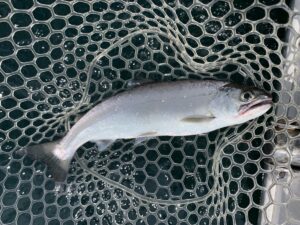
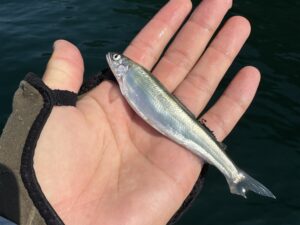
Largemouth bass are the headline draw, and in places they share water with smallmouth bass as well. But Biwa is also home to native species anglers occasionally connect with by accident, including the Biwa salmon and a genuinely enormous population of catfish. For a full rundown of the four species you’re most likely to encounter, see our guide to fish species in Lake Biwa.
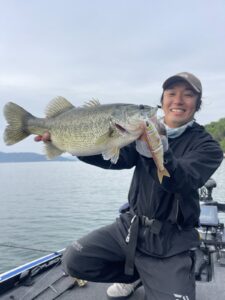
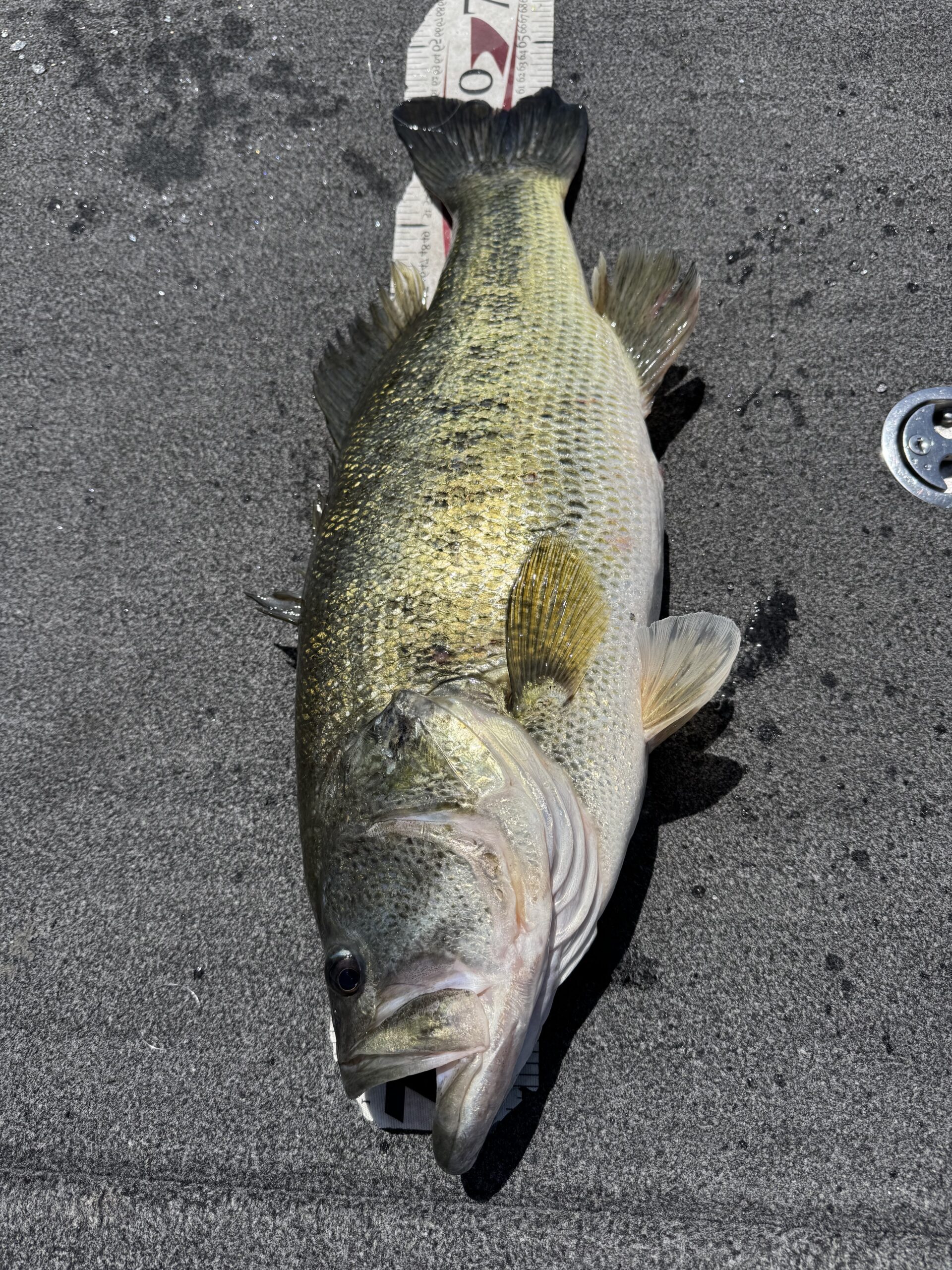
Average bass here run a healthy 30–45cm, but the lake’s forage-rich water means genuine trophy fish are a realistic goal on any given trip. For visiting anglers, the benchmark is a bass over 60cm — known in Japan as a “roku-maru” (literally “six-oh”) — a size that would stand as a career-best catch on most lakes worldwide, but is a genuine, achievable target here.
When to Fish Lake Biwa
Lake Biwa fishes twelve months a year, but the pattern changes completely with the seasons.
Spring (March–June)
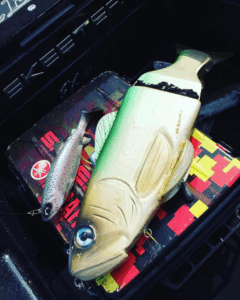
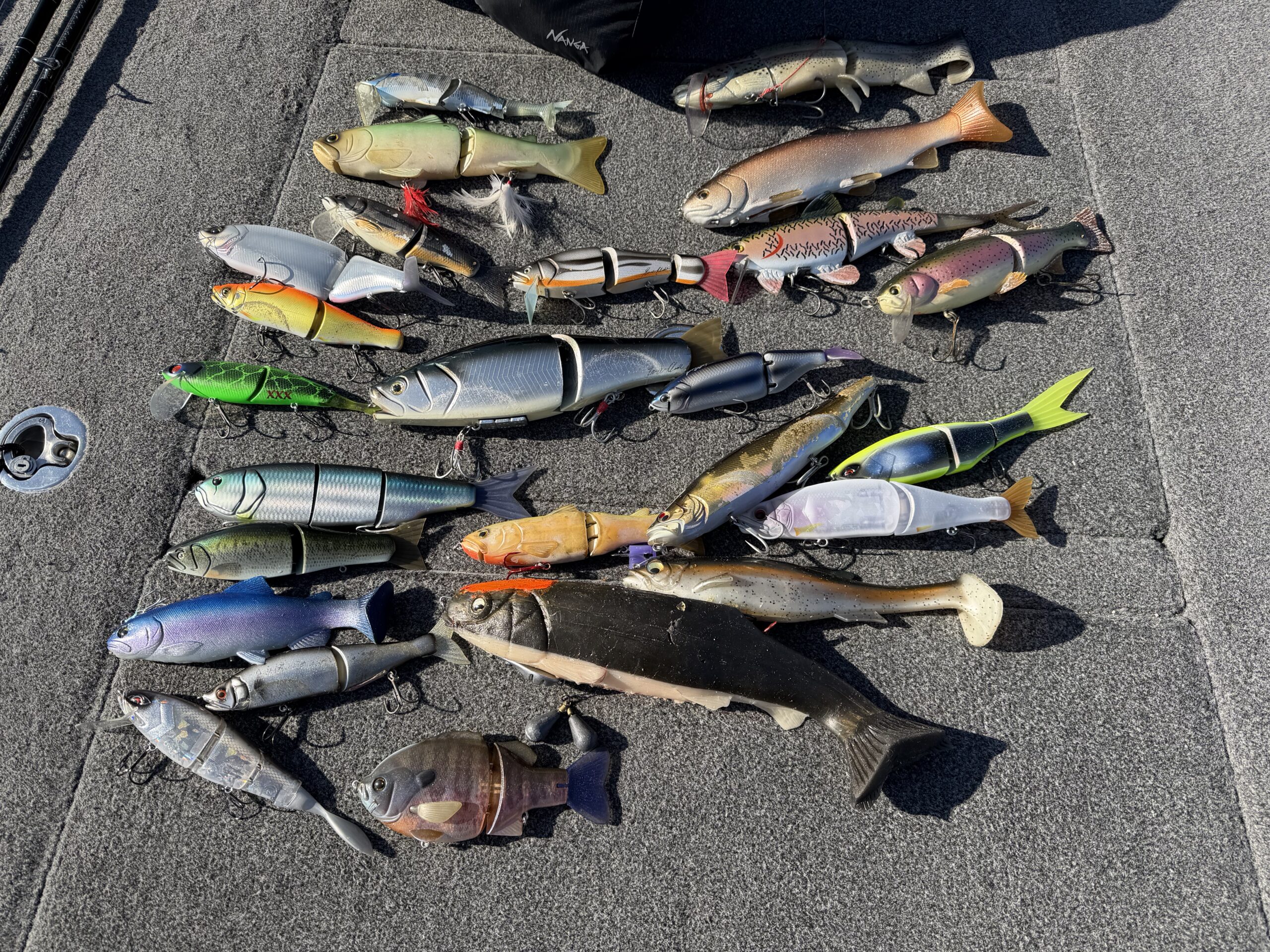
Pre-spawn fishing covers an unusually wide range of techniques, chosen according to how far bass have progressed toward spawning — swim jigs, big baits (glide baits), mid-depth Neko rigs, hover-strolling, Alabama rigs, and heavy, fast-falling bottom baits like Cover Scat all come into play, since pre-spawn bass push into water 4m or shallower, where many different lure types can all be effective depending on the exact situation. From mid-to-late spawn, typically May into June, anglers often target bass directly on their beds — so-called bed fishing, which combines traditional sight-fishing by eye with livescope-assisted “live sight” fishing. See our spring fishing guide, early spring cranking guide and swim jig vs. glide bait breakdown for more detail.
Summer
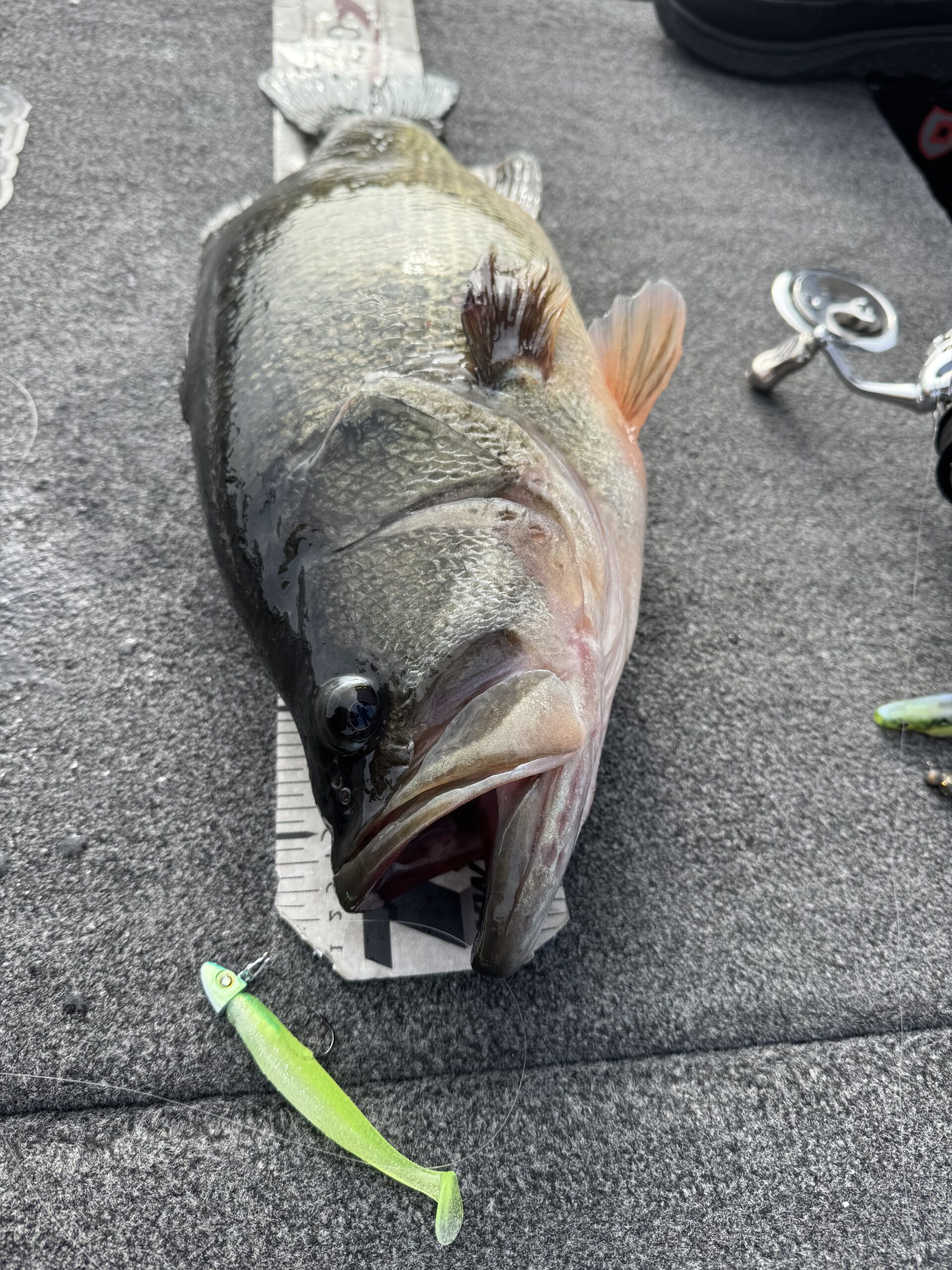
Topwater remains productive through the early morning, and deep structure fishes well through the day — Lake Biwa’s depths hold a wide variety of sunken cover, from rock reefs and artificial reefs to weed beds and old eri (fixed fishing net) remains. Soft plastics built for probing deep water — Neko rigs, drop shots, and weightless (no-sinker) rigs — account for most of the productive fishing. Full details in our summer fishing guide.
Autumn
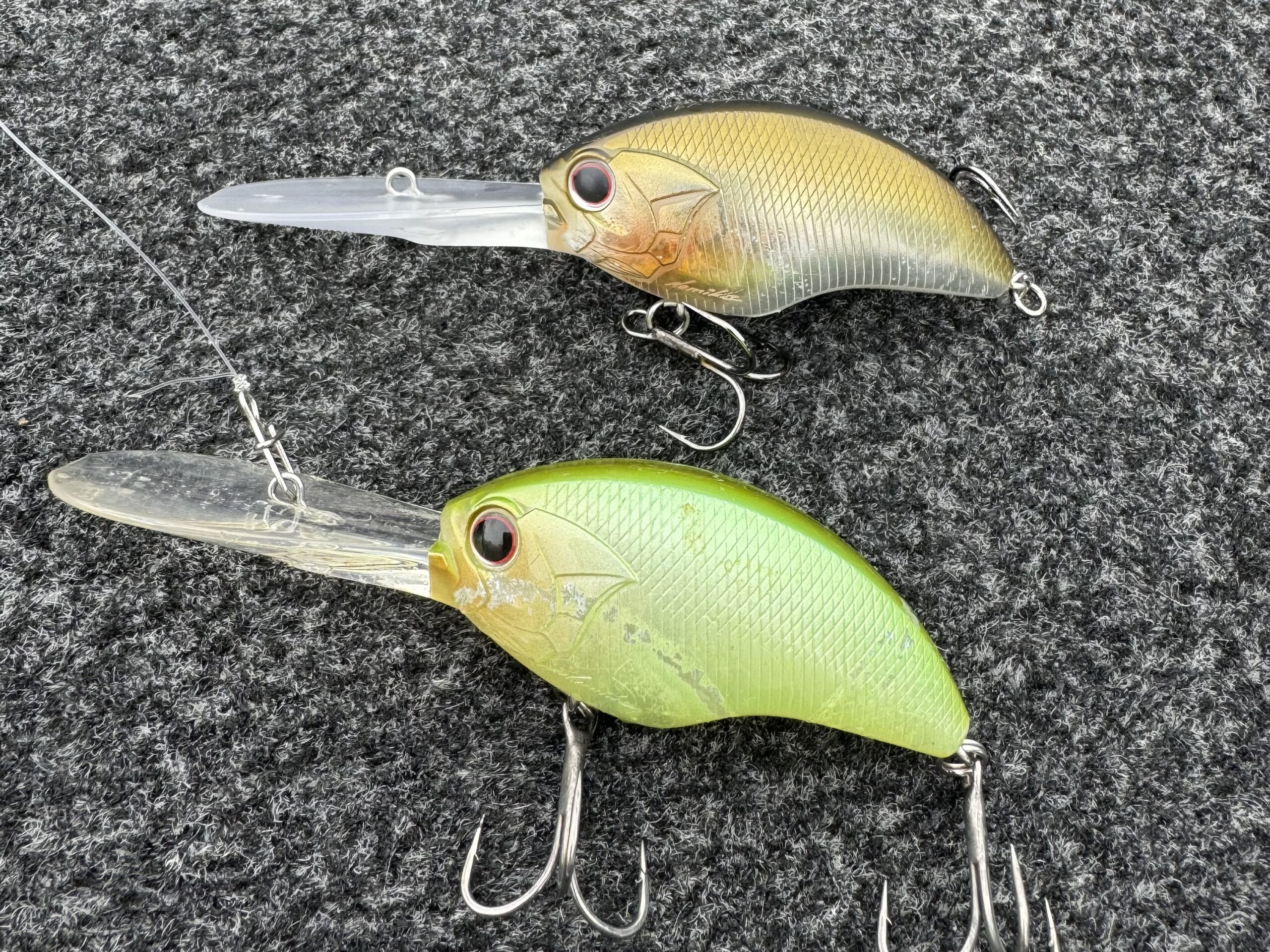
A feeding-up transition period. Baits that produced through summer keep working, and moving baits like crankbaits and swim jigs are also highly effective as bass actively chase forage. See our autumn fishing guide.
Winter
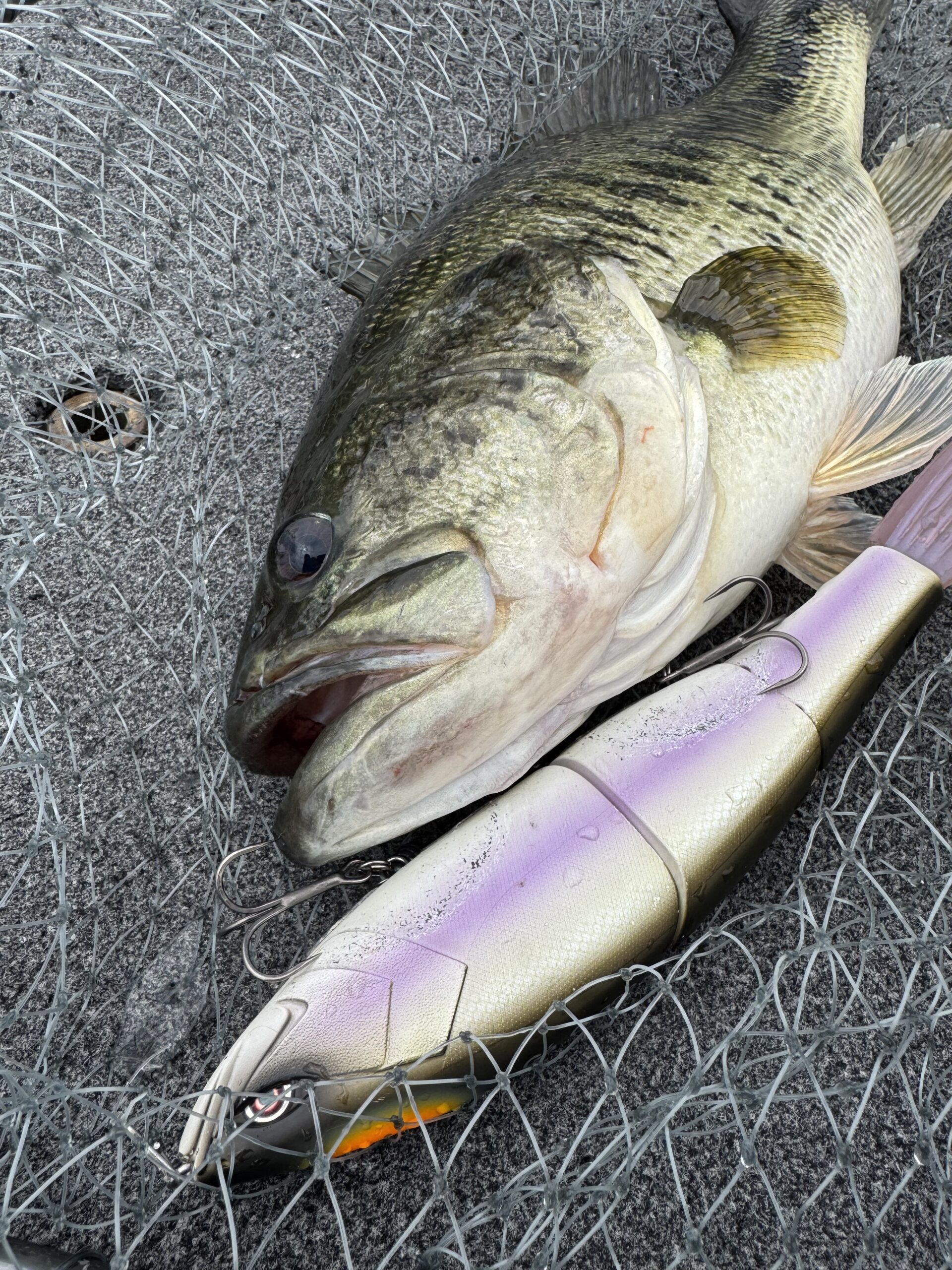
This is trophy season, not a slow-down. Anglers target giant bass actively chasing baitfish using swim jigs, glide baits, Alabama rigs, and heavy bottom baits like Cover Scat. Small fish rarely bite in winter — trips this time of year are built specifically around a shot at a genuine personal-best largemouth. Our winter fishing guide covers what to expect.
Rules and Licenses You Need to Know
Unlike most freshwater fishing spots in Japan, Lake Biwa does not require a fishing permit (yugyoken). Legally, the lake is classified as “sea” rather than a river or reservoir — the same classification given to Lake Kasumigaura, Japan’s second-largest lake — and that classification is also why night fishing is legally permitted here.
Shiga Prefecture does, however, have a release-prohibition ordinance (often called “riri-kin” locally) aimed at controlling invasive species, which in principle bans releasing bass and other non-native fish back into the water. Whether this ordinance applies to licensed guide boats is widely treated as a gray area among local anglers, and how strictly it’s enforced varies. Because of the ordinance, you’ll find invasive-fish collection boxes along the shoreline, where anglers are expected to deposit non-native fish rather than release them.
If your trip involves running your own boat rather than fishing from shore, Japan also has its own boat licensing system, covered in our boating license guide. In practice, most visiting anglers avoid this paperwork entirely by booking a guide who already holds the required licenses — one less thing to arrange before you land.
Getting to Lake Biwa and Booking a Trip
Lake Biwa sits in Shiga Prefecture, roughly 30 minutes from Kyoto and under an hour from Osaka or Kansai International Airport, making it one of the most accessible world-class bass fisheries anywhere — our full access guide from Kyoto, Osaka, Tokyo and KIX covers every option. Most international visitors base themselves in Kyoto or Otsu; see our recommendations in where to stay near Lake Biwa.
Most guide services in Japan offer only a single, full-day plan. At JBFA, guests can choose between a full-day plan (running morning through afternoon) and a half-day plan, depending on your schedule. Either plan includes hotel or station pickup and tackle rental, so there’s no need to travel with gear. Read what to expect on a Lake Biwa bass fishing tour for a full walkthrough, then see how to book a bass fishing guide in Japan to lock in your date.
Whether you have one day in Japan or a full week built around it, Lake Biwa rewards almost any itinerary. It’s close enough to fish as a day trip from Kyoto or Osaka, storied enough to be a destination in its own right, and varied enough that a first-time visitor and a obsessive returning angler can both leave with the trip they were hoping for.
Recommended Articles
Discover the top 4 fish species you can catch in Lake Biwa, Japan’s largest freshwater lake — from monster largemouth bass to the mysterious Biwako Giant Catfis…
Discover the story of Manabu Kurita’s world-record largemouth bass from Lake Biwa, Japan. Learn why this legendary lake produces giant bass and how you can fish…
Lake Biwa (琵琶湖) is Japan’s largest freshwater lake and
Introduction Lake Biwa, Japan’s largest freshwater lake